
When Love Becomes Care: The Role of Family Caregivers
FSC


There is a quiet kind of love that rarely makes headlines. It doesn’t ask for applause, recognition, or reward. It shows up early in the morning to prepare medications, stays awake during restless nights, attends doctor’s appointments, manages household responsibilities, and still finds the strength to smile through exhaustion.
This is the love of a family caregiver.
Across America, millions of sons, daughters, spouses, siblings, and friends have stepped into caregiving roles for loved ones who can no longer fully care for themselves. Some planned for it. Many did not. Yet every day, family caregivers continue to carry one of the most important responsibilities in society caring for another human being with dignity, compassion, and patience.
Caregiving is more than a task. It is love in action.
The Moment Love Changes
For many families, caregiving begins gradually.
It may start with helping Mom organize medications, driving Dad to appointments, or checking in more frequently after a health diagnosis. Over time, those small acts of support become daily routines. Before long, family members find themselves balancing careers, children, finances, and caregiving responsibilities all at once.
In that moment, relationships begin to shift.
A daughter becomes a caregiver.
A husband becomes a nurse.
A son becomes an advocate.
And while these changes can be emotionally overwhelming, they often reveal something powerful: love has evolved into service.
The Invisible Strength of Family Caregivers
Family caregivers are often the backbone of home care support systems. They coordinate care plans, monitor safety, provide emotional reassurance, and help loved ones maintain independence at home.
Yet many caregivers quietly struggle with:
Physical exhaustion
Emotional stress
Financial pressure
Isolation and burnout
Feelings of guilt or uncertainty
Despite these challenges, caregivers continue to give deeply of themselves because the person they are caring for matters.
Caregiving requires strength that people often cannot see — the strength to remain calm during emergencies, to comfort someone experiencing confusion or illness, and to continue showing compassion even during difficult moments.
It is both emotionally demanding and profoundly human.
A Story Shared by Many Families


Maria never imagined she would become her mother’s full-time caregiver.
After her mother suffered a stroke, everyday activities became difficult. What began as occasional visits turned into managing medications, preparing meals, assisting with mobility, and staying overnight to ensure her mother was safe.
“At first, I felt overwhelmed,” Maria shared. “I was trying to be everything for everyone. But over time, I realized caregiving wasn’t about perfection. It was about presence.”
Some days were hard. There were tears, exhaustion, and moments of fear. But there were also quiet moments Maria treasures deeply brushing her mother’s hair, laughing over old family stories, and hearing her mother softly say, “Thank you for taking care of me.”
Those moments reminded her that caregiving is not only about helping someone live safely. It is also about preserving connection, dignity, and love.
Maria’s story reflects the experience of countless caregivers everywhere.
A Mother’s Day Tribute to Caregivers

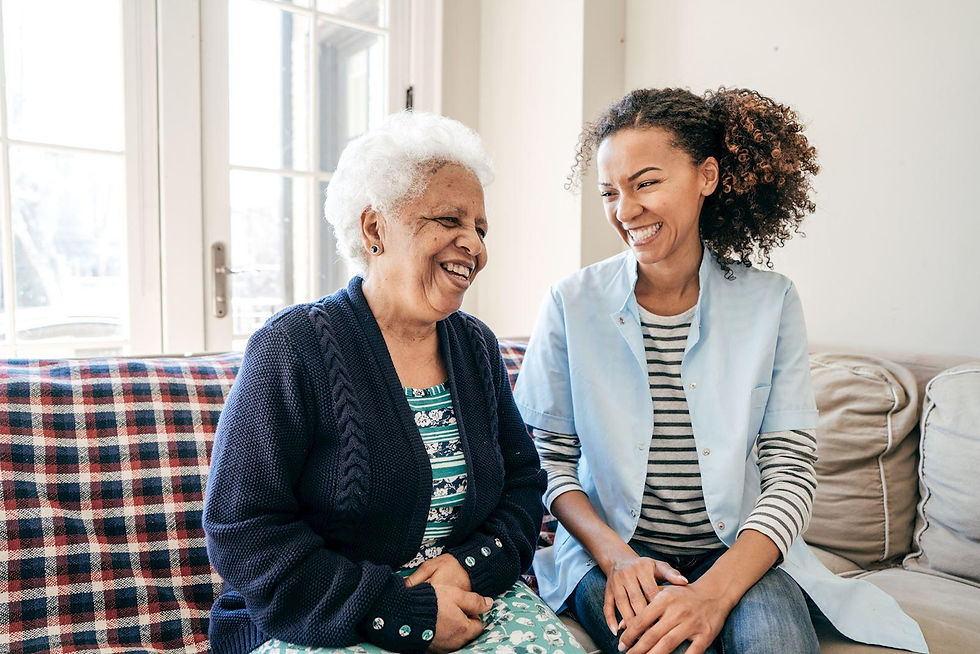

Mother’s Day often celebrates the women who spent years caring for others raising children, comforting families, and sacrificing endlessly for the people they love.
But for many families, there comes a time when that care is returned.
This Mother’s Day, we honor not only mothers, but also the daughters, sons, spouses, and family caregivers who now care for the women who once cared for them.
We honor:
The daughter who helps her mother dress each morning
The husband who lovingly supports his wife through illness
The son who rearranges his life to ensure his parent is safe at home
The grandmother raising grandchildren while managing her own health challenges
Every caregiver carrying responsibilities behind closed doors with quiet strength
Caregiving is one of the purest reflections of love because it asks for patience, sacrifice, and compassion without expecting anything in return.
And while caregivers may not always hear it enough, their work matters deeply.
Why Supporting Family Caregivers Matters
As the aging population continues to grow, family caregivers are becoming increasingly essential within home care and healthcare systems.
Caregivers need more than appreciation they need support.
That support may include:
Caregiver education and training
Respite care opportunities
Emotional wellness support
Home safety resources
Community programs and guidance
Access to reliable home care services
When caregivers are supported, families become stronger, loved ones remain safer, and communities become healthier.
No caregiver should feel alone in their journey.
Final Thoughts
Caregiving changes people.
It teaches patience in difficult moments, resilience during uncertainty, and compassion in ways few experiences can. While caregiving can be exhausting, it can also create some of the most meaningful human connections we will ever experience.
Because at its heart, caregiving is not simply about assisting with daily needs.
It is about love.
A love that stays.A love that serves.A love that becomes care.
About First State Caregivers
At First State Caregivers, we believe family caregivers deserve education, encouragement, and compassionate support. Through caregiver resources, safety education, and community-focused programs, our mission is to help families provide confident, safe, and dignified care at home.


Comments